You arrive before opening and notice that part of your sign is dark. Or a customer mentions that the name above your entrance has been flickering after sunset. You need a service visit, but you may not know whether the problem involves lamps, LED modules, a power supply, or something else.
You do not need a diagnosis before contacting Addisigns. What helps is a clear description of the sign, the symptoms, and the location. That information allows the service team to ask better questions and plan the assessment.
Here is what to gather when requesting help with an illuminated business sign. Keep the observations straightforward and leave access to the sign's internal electrical components to the appropriate professionals.
Identify the exact sign and property
Start with the business name, street address, and a description of the affected sign. Include a suite number when applicable. If the property has several signs, explain which one needs attention: the storefront letters, a roadside cabinet, a monument sign, or a panel in a shared directory.
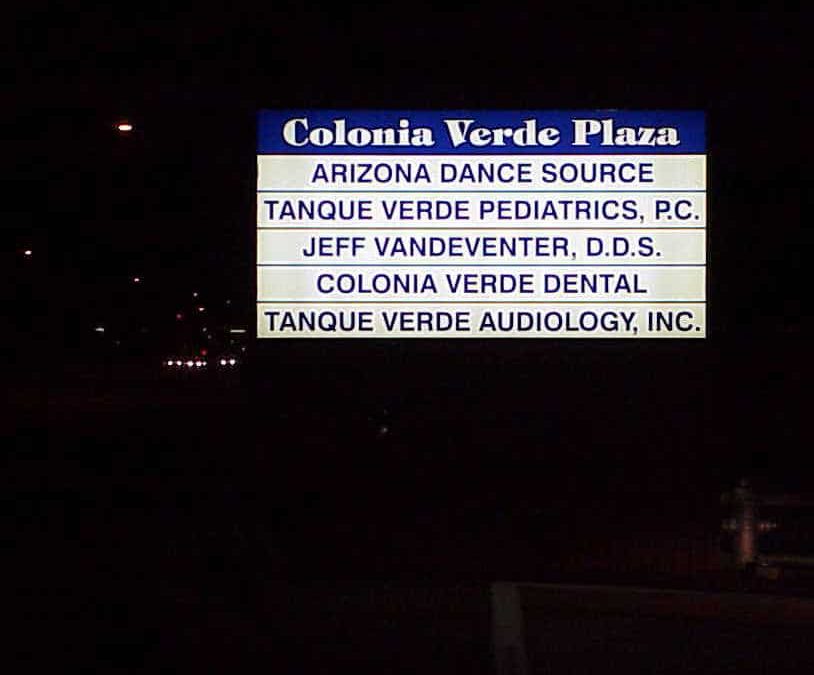
For a shopping center, identify the tenant name and the sign's position. A report that the “center sign is out” can mean an entire freestanding sign or one business's illuminated area. A photograph with the relevant section identified reduces that ambiguity.
Give us a contact who knows the site and can respond to questions about access. If a property manager must authorize the work, include that person early. Distinguishing the person reporting the problem from the person approving service helps keep the request moving through the right channels.
Describe what you can actually see
Tell us whether the whole sign is dark, individual letters are unlit, one area looks dim, or the light comes and goes. Note whether the issue appears the same every time or changes during the evening. Those observations are useful even when you do not know the lighting system.
Avoid turning the symptom into an assumed parts order. A dark letter does not establish which component has failed. Our repair and maintenance service includes assessment of lighting, power components, and wiring so the recommended work addresses the actual condition.
If you can see damage from the ground, describe it separately from the lighting problem. A cracked face, loose-looking part, or recent impact changes the information the team needs. If something appears unsafe, keep people away from the affected area and tell us promptly.
Add a short timeline
Record when the sign last appeared to operate normally and when someone first noticed the problem. An approximate date is better than no timeline. If different employees have observed it, ask them to describe what they saw rather than combining their reports into a single guess.
Include relevant events such as a recent storm, nearby building work, a power interruption, or a previous service visit. Present those as context, not proof of the cause. The technician still needs to assess whether they are connected to the failure.
Mention whether the sign is supposed to operate on a timer or another control, if that information is available in your records. You do not need to open equipment or change settings to complete the request. Simply share the normal operating schedule and what staff have observed.
Send useful ground-level photographs
Take one photograph showing the full sign and surrounding building or sign structure. This establishes which sign you mean and gives the team context about its location. Add a closer view from a safe, accessible position showing the affected area.
For an intermittent or partial lighting problem, an evening photograph may show what a daylight image cannot. If practical, send both. Avoid relying on a very tight crop that removes the business name or leaves no indication of where the damaged section sits.
Keep the photographs original and describe when they were taken. Brightness adjustments can make a dark area difficult to interpret. A brief video may help document flickering, but do not delay a service request because you cannot capture the symptom clearly. Explain the limits of the available images instead.
Explain how the crew can reach the site
Access information can be as important as the symptom description. Tell us about gates, restricted parking, loading activity, covered walkways, and any areas where equipment access requires property approval. Include available work windows and the hours when a site contact can be present.
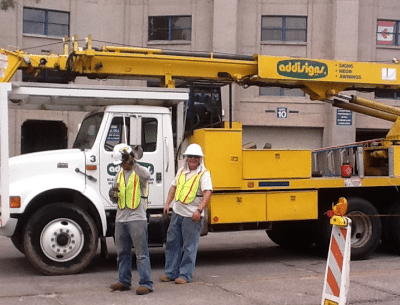
Our service fleet allows us to work on different sign locations, but the equipment and approach still depend on the property. A roadside pylon and a sign above a narrow storefront entrance create different access questions. The team will assess what the job requires.
If you manage several locations, send a separate address and sign description for each request. Use a simple site identifier in the subject line and photo names. That helps prevent photographs or service instructions for one property from being assigned to another.
Share records without letting them become a barrier
Useful records include the original sign drawing, installation information, lighting specifications, and prior repair history. Send what you have, particularly if the same symptom has returned after earlier work. Dates and descriptions are more helpful than a general statement that the sign “always has problems.”
Do not hold up the first conversation while searching for a complete file. Many owners inherit signs without detailed records. Tell us what is available and what is unknown so the service team can plan accordingly.
Also explain the outcome you are requesting. Restoring the present sign is a different conversation from changing the lighting system, replacing a face, or updating the business name. If you want several options, say so. The assessment and estimate can then distinguish the immediate problem from a broader improvement project.
Send one clear service request
A useful request could read: “The wall-mounted letters above our main entrance at this address have two dark sections. Staff first noticed it Tuesday evening. The sign normally operates after sunset. Attached are a full-site photo and an evening view. Our property manager authorizes access, and this is the best contact for scheduling.” That is enough to start a productive discussion without guessing at the failed part.
Addisigns has provided sign services in Tucson since 1955. Call 520-748-1540 or send a service request with your address, observations, and photographs. We will help determine the next step for assessing the sign and defining the repair work.