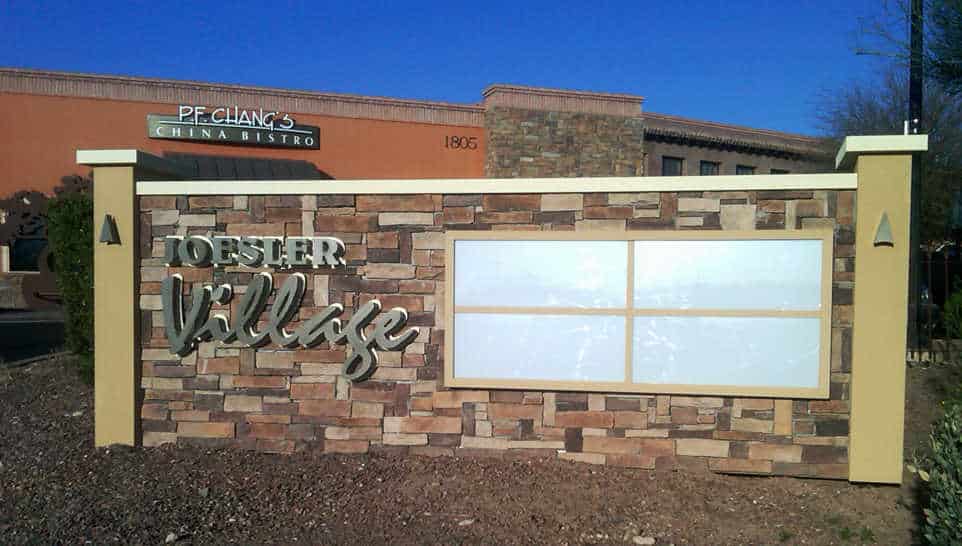
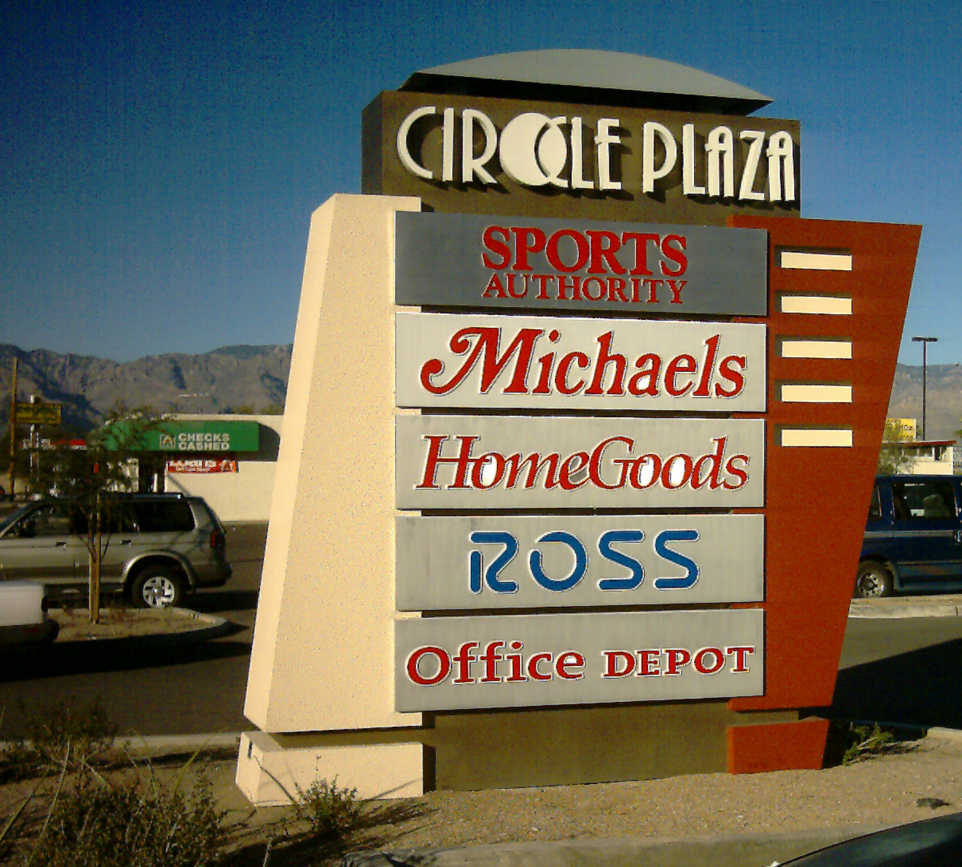
An existing sign can make an available storefront look nearly ready for business. The cabinet is already on the wall, a panel is waiting in the shopping center directory, and power appears to be in place. It is tempting to treat those pieces as part of the space you are leasing.
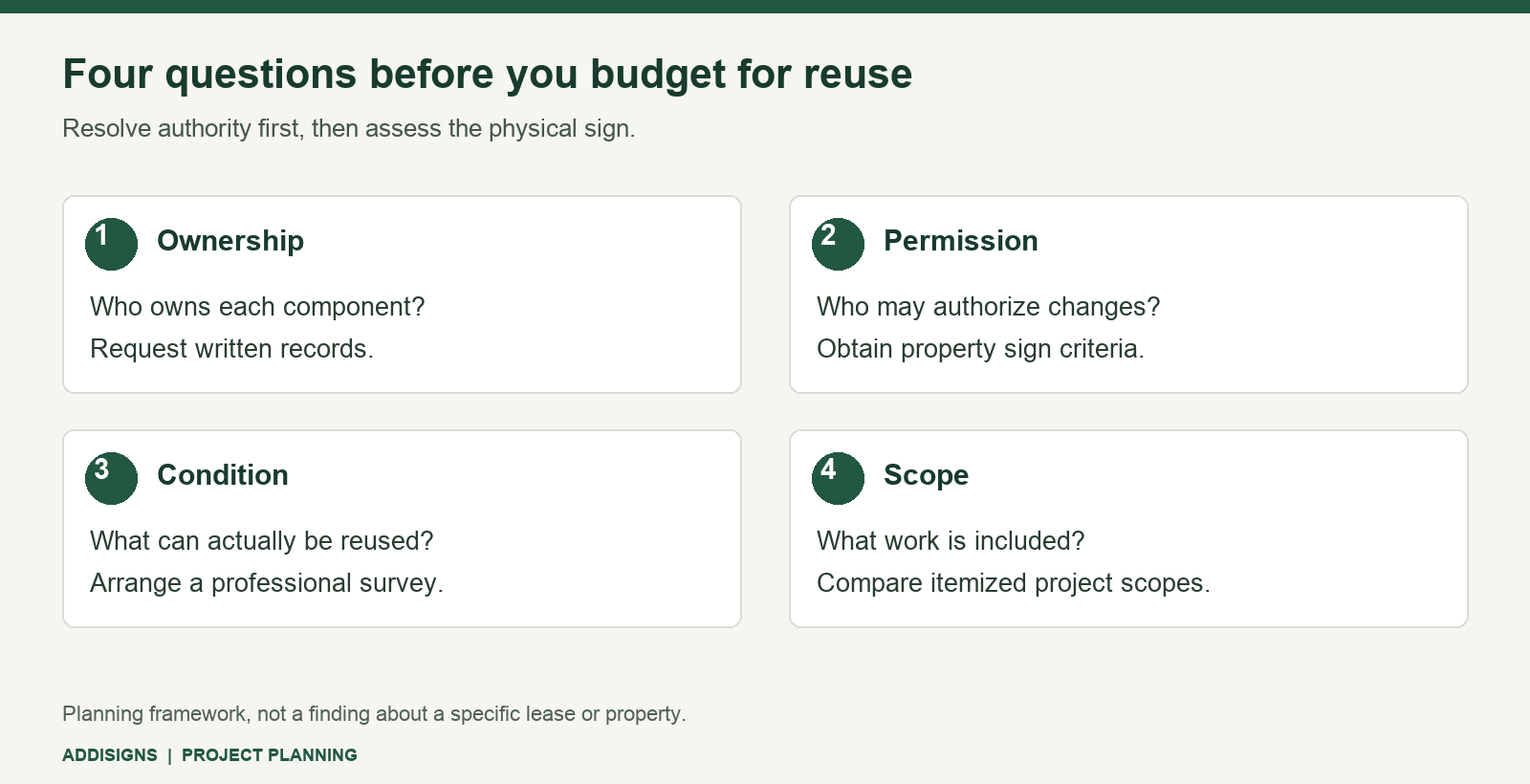
Before you build your opening budget around that assumption, ask the property manager who owns each sign and what you are allowed to change. The answer can affect the scope of your project as much as the sign's physical condition.
At Addisigns, we help businesses plan new signs, refaces, and branding changes. A useful first step is separating three questions: who controls the sign, what the property allows, and what the existing equipment can support.
Start with a list of every sign location
Walk the property with the leasing representative and identify the signs connected to your future business. Include the wall sign above the storefront, panels in freestanding directories, window graphics, entrance identifiers, and any separate sign cabinet near the road. A sign displaying the previous tenant's name may have a different owner from the structure supporting it.
Photograph each location from ground level and give it a simple description, such as “north wall cabinet” or “upper roadside directory panel.” Use those same descriptions in emails, drawings, and estimates. “The sign out front” is too vague when several businesses share a property.
Ask whether each location is included in your proposed tenancy. An empty panel does not establish your right to use it, and an existing sign does not establish permission to enlarge or relocate it.
Get ownership and alteration permission clarified
Ask the landlord or property manager to identify the owner of the cabinet, supporting structure, faces, letters, and associated electrical equipment. If the departing tenant owns any of those components, find out whether they will remain and who can authorize changes. Request the relevant written records rather than relying on a description passed between tenants.
Keep ownership separate from maintenance responsibility. A property owner might control a shared directory while tenants arrange their own replacement panels. Your proposed agreement may assign responsibilities differently. Have the leasing parties resolve those terms before a contractor is instructed to remove or alter anything.
This is a project-planning conversation, not a conclusion about what a particular lease means. If responsibilities remain unclear, have the appropriate leasing or legal adviser clarify the documents. We can assess sign work once the parties establish who may authorize it.
Ask for the property's sign criteria
Ownership permission is only part of the approval path. Shopping centers and office parks may have sign criteria covering letter styles, colors, mounting methods, illumination, and available sign areas. Request the current version for your space before commissioning artwork.
Ask who reviews proposed drawings and how comments should be submitted. If a leasing representative says an exception is possible, identify who can approve that exception and how the decision will be recorded. That avoids designing around an informal assurance that another reviewer cannot accept.
Property approval and public permitting are separate checks. Our sign permitting team can review the requirements for the specific project and jurisdiction. Keep both approval paths visible in your opening plan rather than assuming one approval settles every question.
Verify condition before counting on reuse
A cabinet that looks presentable from the sidewalk still needs a closer professional assessment before it becomes the foundation of your sign budget. Its dimensions, face-retention system, mounting condition, lighting, and electrical access all influence what can be reused.
Our installation and site survey service documents the existing site so design and production can work from verified information. For a proposed reface, that means establishing what the new face must fit and identifying related work the sign may need.
Ask the sign team to distinguish observations from items requiring further access or investigation. A preliminary photograph can help start the conversation, but it is not a substitute for checking concealed components. Do not order a replacement face solely from dimensions supplied by the previous tenant or from the apparent size of the opening.
Put the handoff and removal work in writing
Before the outgoing business removes its signs, clarify what should remain. You may need the landlord to coordinate a handoff so reusable components are not removed before anyone assesses them. Equally, equipment should not be left in place simply because everyone assumes someone else has accepted responsibility.
Ask who will arrange professional electrical disconnection, remove unwanted materials, and address exposed mounting locations. If painting or facade repairs are planned, coordinate that work with the sign contractor. The condition of the wall after removal can affect the next installation.
Record access arrangements as well. A locked service area, restricted parking lot, or delivery schedule can change how crews approach the work. Give the property manager and sign contractor the same site contact so questions reach someone who can make decisions.
Build a budget around the agreed scope
Once ownership, permissions, and condition are clearer, request an estimate describing the actual work. Ask whether it includes surveying, artwork, new faces or letters, removal, lighting changes, installation, and any required approval support. Identify which tasks belong to another contractor or to the property owner.
For example, a project described as “change the name on the sign” might involve a new face only, or it might also require lighting repairs and a separate removal visit. Those are different scopes. Comparing them as if they were identical makes it difficult to judge the budget fairly.
Keep a short decision record with the site photos, written permissions, property criteria, and approved estimate. That folder gives your team a reliable reference as the opening approaches and reduces the chance that an old assumption returns as a new instruction.
Bring the site information to the first conversation
You do not need to know the technical name for every component before contacting us. Send the property address, photos, available sign records, and the landlord's criteria. Tell us which pieces may stay and which questions the property manager is still resolving.
Addisigns has built signs in Tucson since 1955. Our commercial sign services bring design, fabrication, installation, service, and permitting support into the same project conversation. Call 520-748-1540 or request a quote to discuss the existing signs before you make them part of your opening plan.