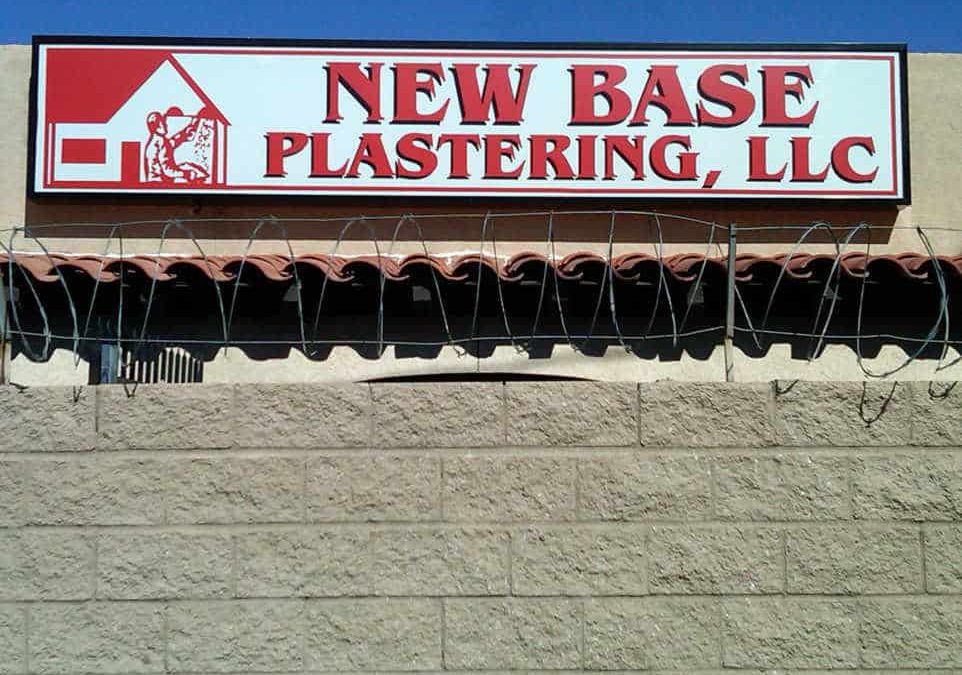
A new tenant does not always need an entirely new sign structure. An existing cabinet may offer a useful starting point for updated branding, especially when its location still suits the business and the property permits the change.
The important word is “may.” Reuse should follow an assessment of the cabinet, mounting, face fit, lighting, and project requirements. A sign that looks sound from the parking lot has not necessarily been evaluated for the next tenant's needs.
At Addisigns, we provide refaces, repairs, refurbishment, and new sign fabrication. We can help define which work belongs in the project before you decide that everything must stay or everything must be replaced.
Separate the parts of the existing sign
A cabinet sign is an assembly rather than one interchangeable object. Its enclosure holds the face and, for an illuminated sign, lighting components. It also depends on a mounting arrangement and a connection to the building or freestanding structure. Those elements need to be considered separately.
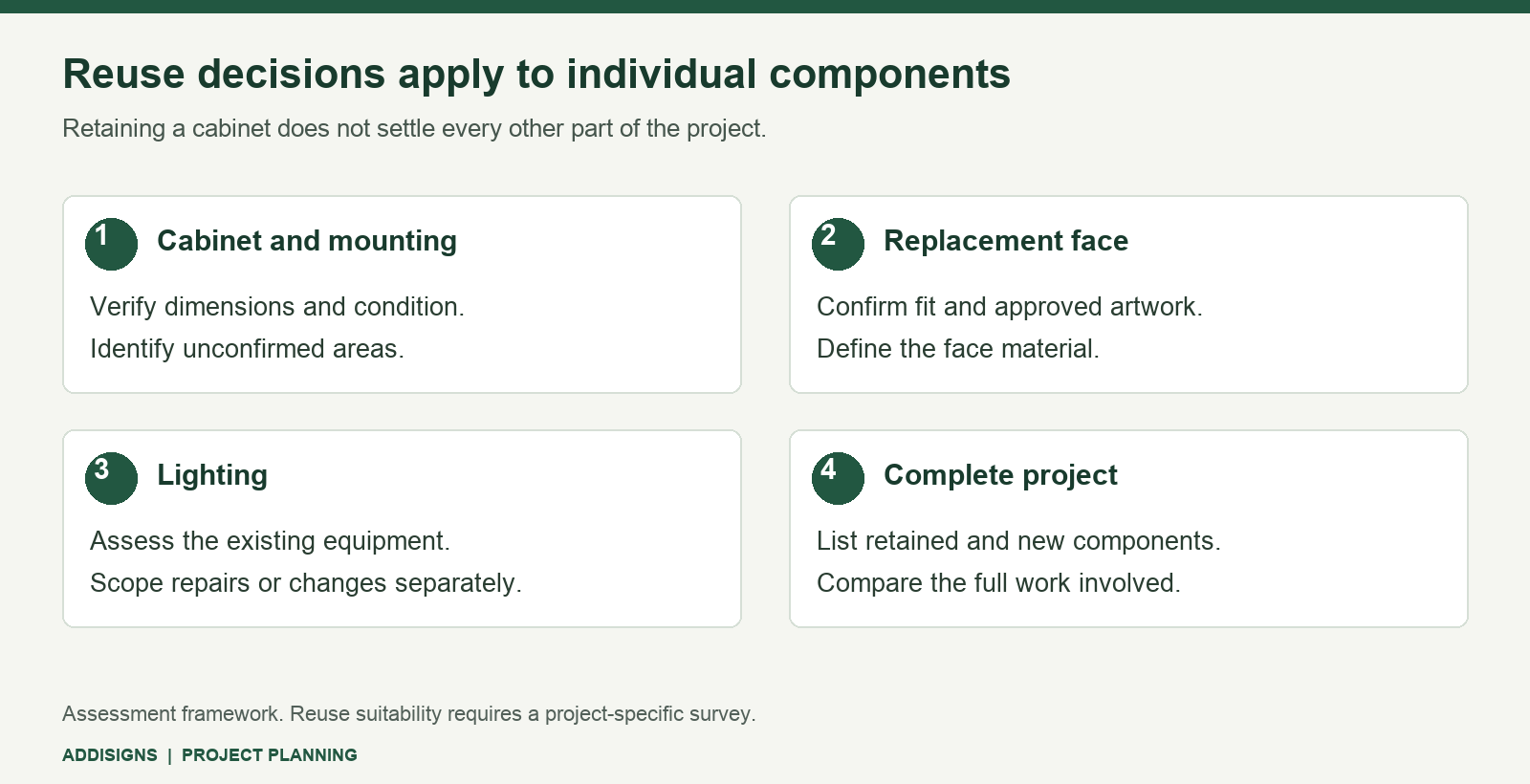
For a tenant change, the visible face may be the only part you want to alter. The assessment still needs to establish whether the surrounding components can support that plan. Replacing artwork does not correct an unrelated mounting, enclosure, or electrical problem.
Ask the project team to describe the scope in component terms. “Retain the cabinet and replace the faces, subject to survey findings” is clearer than “reuse the sign.” That wording makes the intended work easier to discuss and leaves room to identify conditions that need attention.
Confirm the right to use and alter it
Before commissioning changes, establish who owns the existing equipment and who can authorize the work. The landlord, outgoing tenant, and incoming business may have different responsibilities. Obtain the applicable property sign criteria and confirm the space or panel allocated to the new tenant.
Clarify those responsibilities with the leasing parties before commissioning the physical assessment. Ask for written authorization covering the actual work being considered, and identify who will approve the tenant's artwork. Keep that permission with the project records so the sign team has a clear point of contact.
Property permission does not establish the condition of the cabinet, and good condition does not establish approval for a particular design. Keep those decisions separate. Our permit specialist can also review the proposed change for the relevant jurisdiction rather than assuming the previous sign's status automatically carries forward.
Verify cabinet and mounting condition on site
A professional survey should establish the dimensions and conditions relevant to the proposed work. Available records help, but the current sign may differ from an old drawing. Repairs, replacement faces, or changes made by earlier tenants can affect what the new components need to fit.
Our site survey service provides information for design, fabrication, and installation planning. For an existing sign, that includes documenting the cabinet or structure, mounting area, and electrical access as appropriate to the project.
Ask which conditions are visible and which remain unconfirmed until further access is arranged. Signs of deterioration deserve assessment rather than a cosmetic cover-up. If the team recommends additional investigation or replacement of a component, request a clear explanation of how that recommendation affects the reuse plan and estimate.
Match the new face to the actual cabinet
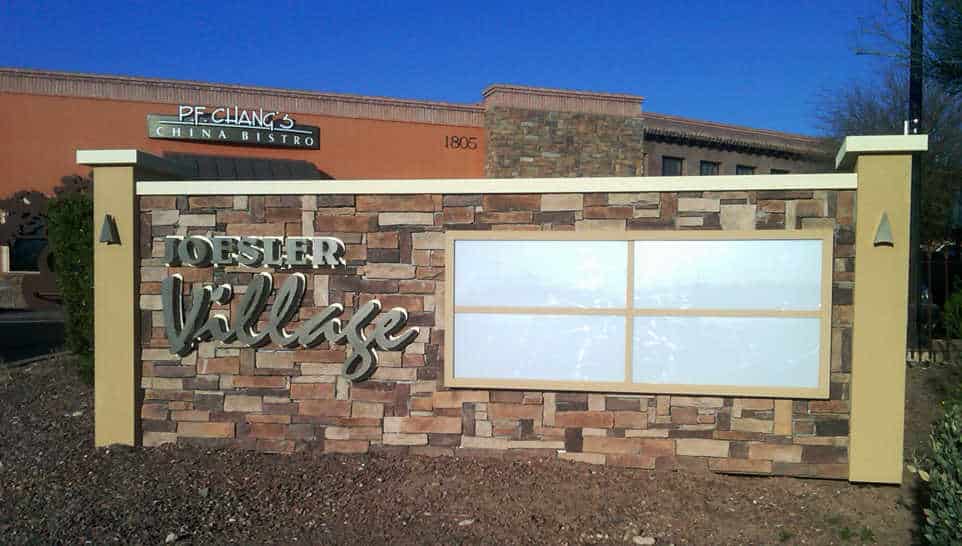
The new artwork must work within the physical face and cabinet arrangement being retained. Verified dimensions matter, including the area available for the visible design. The apparent opening in a photograph is not a production measurement.
Provide the approved business name and logo files before the face is designed. Explain whether the new branding is settled or still changing. Artwork revisions can affect the drawings and production instructions even when the cabinet itself stays in place.
Discuss material suitability and the intended day-and-night appearance with the team. A replacement face is a fabricated component with fit and performance requirements, not simply a larger printout of a logo. Ask to review the relevant drawing before the shop makes the new piece, and keep the approved version with the project records.
Evaluate lighting as its own work item
If the cabinet is illuminated, clarify whether the project includes restoring existing lighting, replacing failed components, or considering a different lighting arrangement. Those choices should be described separately from face replacement. A new face can reveal lighting inconsistencies that old graphics made less noticeable.
Addisigns' repair and maintenance service includes lighting repairs and LED retrofits. Whether either belongs in your project depends on the equipment and desired scope. Do not assume a face change requires a retrofit, or that retaining the cabinet means the lighting needs no attention.
Ask how the sign will be checked as part of the agreed work. Electrical connections require the appropriate professionals. Building staff can provide records and access information without being asked to open the sign or determine which internal parts are reusable.
Compare complete reuse and replacement scopes
Request estimates that identify the components being retained, the work being performed, and any outstanding assumptions. Include the survey, drawings, face production, related repairs, access, removal, and installation where applicable. Identify approval support and tasks assigned to another party.
If replacement is also being considered, compare it against the same intended outcome. A face-only price is not directly comparable to a complete new sign with removal and installation. The useful comparison is between defined projects, each describing what the owner receives and what remains outside the scope.
Avoid setting a universal rule that reuse is always the economical choice. Condition, recurring service needs, fit, access, and changes to the business requirements can alter the decision. Ask the team to explain the practical reasons for its recommendation rather than relying on an unsupported savings percentage.
Make the retained components explicit
Before authorizing production, confirm the current drawing and scope with the property manager and the person approving the tenant's artwork. Keep a record of the retained cabinet, new components, agreed repair work, and any separate responsibilities. That record also helps future service teams understand the changeover.
If you are moving into a space with an existing cabinet sign, send Addisigns the address, photographs, property criteria, and available drawings. Call 520-748-1540 or request a quote. We can assess the project and help establish what should be retained, renewed, or replaced.