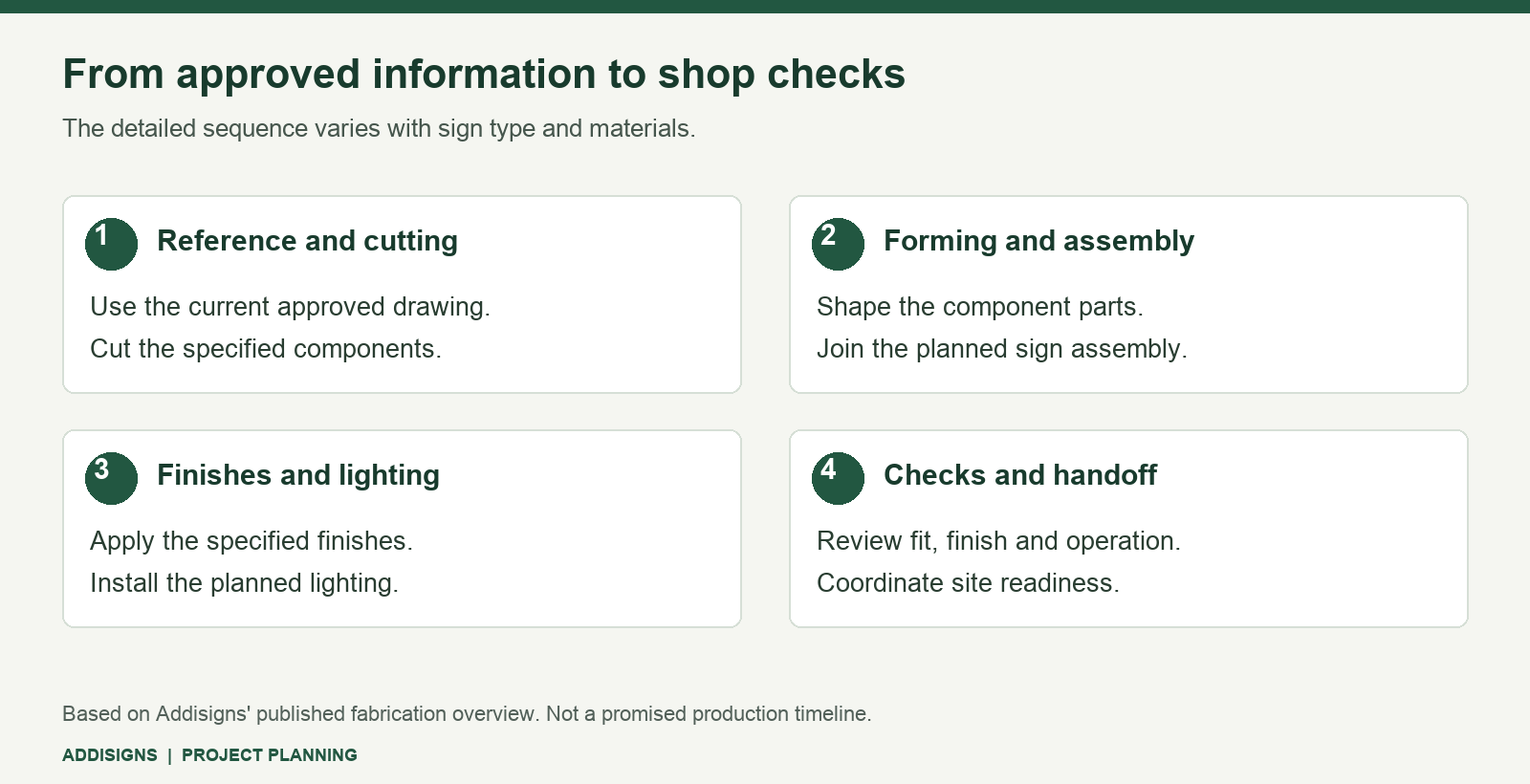
Approving the sign drawing is an important milestone. You have agreed on what the sign should be, and the project can move toward making it. The next stage turns that approved information into physical parts, finishes, lighting, and an assembled sign ready for its installation plan.
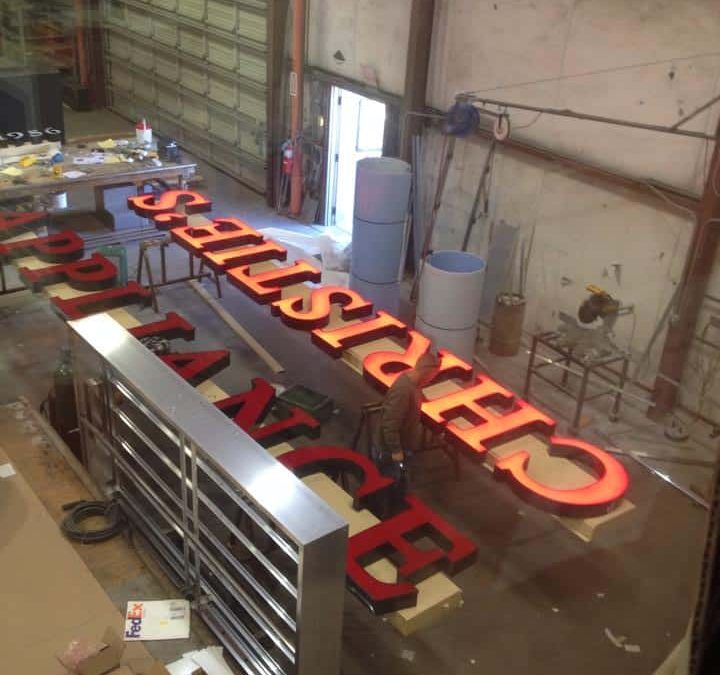
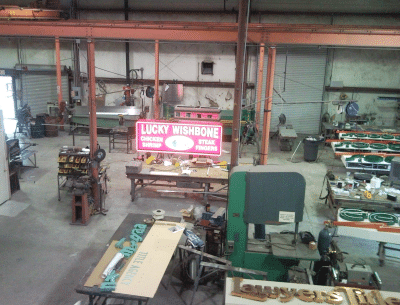
At Addisigns, fabrication happens in our Tucson shop. Our fabrication service describes the principal stages as cutting, forming, welding and assembly, painting, and wiring, followed by checks before delivery. The precise sequence depends on the sign type and materials.
For an owner or property manager, understanding those stages makes production questions easier to discuss. It also explains why a change to an approved drawing needs review rather than being treated as a simple note to the installer.
The approved information becomes the production reference
Before work moves through the shop, the project team needs a clear reference for what is being made. That includes the current drawing and the dimensions, material selections, finishes, and lighting decisions relevant to the sign. Site information connects those choices to the intended mounting location.
Your role is to make sure the approval represents the decision you intend to authorize. If an older logo, unresolved color selection, or property-manager comment is still circulating, bring it to the project contact's attention. Production should not be left to choose between competing instructions.
An approved design also needs to follow the project's applicable approval and permitting path. Ask your project contact what must be resolved before fabrication proceeds. Avoid assuming that a design approval alone confirms every other requirement or establishes a guaranteed installation date.
Cutting gives each component its outline
Sheet materials are cut into the shapes required by the approved design. Depending on the sign, those pieces may become letter faces, backs, cabinet panels, or other components. Accuracy at this stage supports how the parts will fit together later.
Materials are selected for their role rather than treated as interchangeable surfaces. Addisigns' fabrication page identifies aluminum, acrylic, and polycarbonate among the materials used in the shop. The appropriate selection depends on the sign and the conditions it needs to serve.
For a customer, the practical point is that artwork has become a physical production instruction. Changing the wording or letter size after parts are cut may require more than a revised drawing. The team must assess what has already been made and what the new instruction changes.
Forming and assembly create depth and structure
For channel letters, the sides of the letters are formed to follow their outlines. Those sides, commonly called returns, help create the depth of the finished letter. Other sign types require their own cabinet, panel, or frame components to be brought together.
Assembly connects the pieces into the planned sign. The work varies with the design: individual letters and a large cabinet do not move through every operation in exactly the same way. Some structures require welding and additional assembly to produce the intended form.
This is why the approved design must be considered alongside the fabrication method. A small-looking change on a screen can affect several connected parts. If you are considering a revision, contact the project team promptly and ask for an assessment of the effects on scope and schedule before authorizing it.
Finishes turn material into the specified appearance
Finishing gives the relevant components their approved color and surface appearance. It also forms part of the material system intended for the sign's setting. The specification needs to identify what finish belongs on which component so the shop is working toward an agreed result.
For a color-critical project, settle the reference and approval method before the affected work begins. A drawing communicates the design, while an agreed physical reference may help clarify a finish decision. Ask which sign component and viewing conditions the approval covers, and keep that decision with the project records.
Once a finish has been applied, a request to change it needs practical review. Ask what the revision would require, what components it affects, and how the project records will be updated. Do not assume an informal color comment can be applied without consequences elsewhere in production.
Lighting and wiring make an illuminated sign function
An illuminated sign includes more than the visible face. Lighting components must be arranged within the sign and connected as part of the planned assembly. The objective includes the intended appearance and the operation of the electrical system.
Addisigns uses LED lighting in many current projects and also builds and repairs neon signs. The appropriate arrangement is established for the project rather than selected by a generic promise that one system suits every application. Ask the team to explain the specified lighting if it is an important part of your review.
Our website describes the shop as a U.L.-certified manufacturing facility. Manufacturing checks and site installation address different parts of the job. A completed shop assembly still needs the planned field installation, electrical connections, and applicable site approvals. Keeping both stages in view gives the project a clearer handoff from production to installation.
Checks connect the finished sign to the drawing
Before a sign leaves the shop, Addisigns checks the build against the approved information. Our fabrication page describes checking finish, face fit, and overall construction, and powering illuminated signs to review operation and lighting appearance. These checks address the sign before it reaches the installation location.
Shop checks and field checks serve different stages of the project. The installer still needs the correct mounting location, site access, and electrical arrangements. A sign can be ready for delivery while another site dependency remains unresolved.
Ask your project contact how delivery and installation readiness will be coordinated. Provide updates about construction, restricted access, or property requirements that change during fabrication. Keeping that communication current helps the team connect completed shop work with the conditions it will meet on site.
Keep decisions connected from drawing to delivery
The most useful customer contribution during production is clear, timely communication through the project contact. Keep approvals identifiable, report changes promptly, and avoid issuing different instructions to separate people. When a revision is necessary, request an updated explanation of its scope before proceeding.
Addisigns has built signs in Tucson since 1955, with design, fabrication, and installation services connected through one company. Call 520-748-1540 or request a quote to discuss a new sign. We can help you understand what your project needs before the approved drawing becomes the work moving through our shop.